


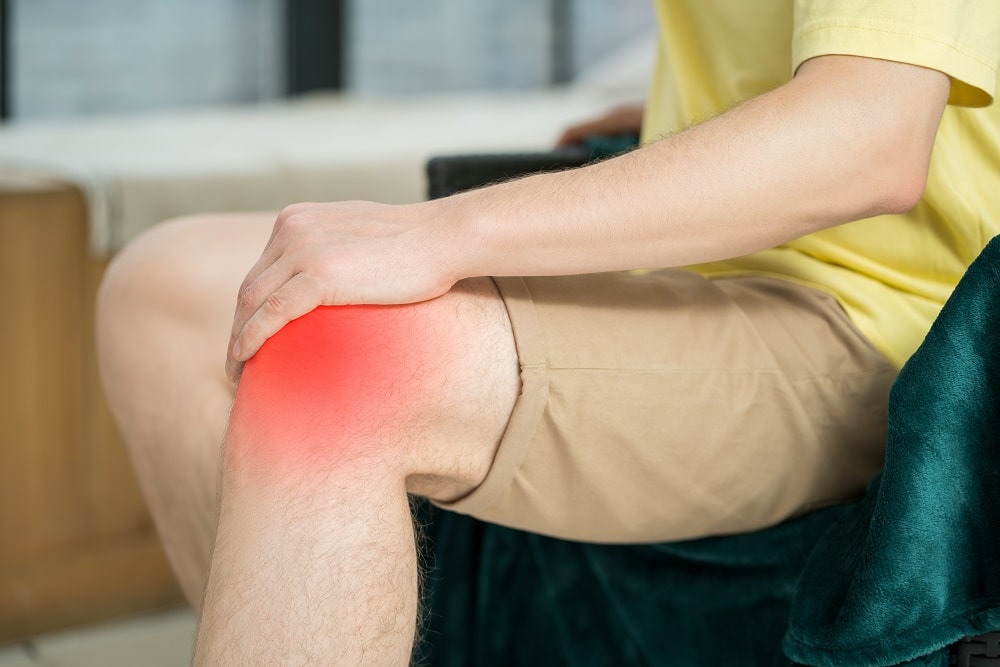
When people seek medical care, the No. 1 reason is for pain. Pain is one of the oldest medical complaints and remains an issue that continues to baffle many healthcare professionals. Medicine offers a lot of treatment options for pain, but not all options are suited for all people or all types of pain.
Pain management helps you regulate pain with medications, procedures, exercises and therapy.
Systemic Therapy
Pills, capsules, and tablets are forms of systemic therapy. Systemic therapy means that when the product is taken into the body system, it can affect all parts of the system, even parts of the body that are not experiencing any type of pain. Typical over-the-counter systemic pain relievers include the usual suspects such as acetaminophen, ibuprofen and naproxen. There are also stronger prescription systemic analgesics. These drugs are absorbed into the body and travel from stomach to intestine and out into the body. Depending on the type of drug, they can enter muscles, organs, and even the brain. Many side effects from systemic medications are a result of the drug affecting parts of the body that is not in need of pain relief. For instance, some drugs like naproxen can upset the stomach because the digestive system does not agree with them. Other drugs can cloud your thinking because the brain is impacted. Many drugs can raise blood pressure or cause heart palpitations. Side effects can be a major drawback to systemic pain relievers. In fact, some people in pain cannot take certain systemic drugs at all due to these common side effects.
Dietary supplements in the form of pills, although not classified as a drug, can have a similar systemic effect and can take longer to absorb in the body without an immediate pain relief.
Topical Relief
What people do not realize—and clinicians often forget about —is that topical pain relievers are a great option for targeting pain. A cream that is rubbed onto the skin through the top surface of the body is something you do not have to ingest. Instead it is applied to the area most affected by the pain and it is absorbed through the skin. A huge advantage of topical pain relief creams is that they mostly stay where you put them, rather than traveling throughout the entire body. As a result, topical pain relievers are much less likely to cause side effects.
I have found topical pain relief creams to be so effective for my patients, that I developed a line of my own specific formula along with Healthy Directions called Instaflex Pain Relief Cream. It can be applied directly on the affected joints or muscles, providing a first-line, instant pain defense for the body. My Instaflex formula combines essential oxygenated oil with menthol to provide fast, targeted relief. Because it uses specially designed oils, less menthol is used, making the product less harsh, but just as effective for pain. Unlike some pain pills, this topical pain relief formula does not adversely affect the gastrointestinal system or the heart or the brain. If you apply some to the knee, for example, it positively affects the joint and tendons and muscles around the knee providing pain relief.
Another advantage of using topical pain relief creams is that you can apply the cream more frequently than you can take an oral pain relief medication, where you would have to wait 6 to 8 hours between doses.
Beyond Pills and Creams
Pain relievers, either in the form of pills or creams are important to have on hand and have helped many people find relief, but there are other simple techniques to help reduce pain that are often overlooked that could be used alone or in conjunction with oral or topical pain relief products. Some of these tried and true techniques include:
- Cold and heat: These methods are still the foundation of relieving certain types of pain, especially pain from injuries, illness or headaches. Try making a homemade hot or cold pack, or purchase reusable hot and cold packs that are ready to go when needed.
- Exercise: Physical activity has the ability to interrupt the “vicious cycle” of pain and reduced mobility. Try gentle activities such as walking, swimming or stretching, yoga or tai chi.
- Grounding: A barefoot walk on the beach or in the grass can do wonders for pain. This technique is known as grounding or earthing and is an amazingly simple concept that involves nothing more than reconnecting the human body with the energy naturally present in the ground we walk on. The key to grounding is you must go barefoot – it does not work with shoes. Dozens of studies on grounding have proven beyond any doubt that becoming grounded has significant positive effects on our body including decrease in inflammation, lowering stress in reducing pain.
- Music therapy. Studies have shown that music can help relieve some of the worst types of pains: post surgery and childbirth. While classical music has proven to work especially well, there is no harm in trying your favorite genre as listening to any kind of music you enjoy can distract you from pain or discomfort.
Find What Works For You
The good thing about pain is that most of the time, pain has a purpose. It alerts us to injury or forces us to rest or avoid certain activities while the body heals. However, pain relief is highly individual and what works for you may not be ideal for someone else. Experiment with different methods of pain relief to find the right combination of therapies that work best for you. When using any form of drug, over-the-counter medication or dietary supplement, carefully read the directions carefully and follow them.
Most random aches and pains go away with topical pain relief creams, rest, and an awareness of what the pain is trying to tell you. If the pain persists or gets worse—or you cannot find anything that helps—it may be worth a visit to your physician, especially if the pain prevents you from conducting your normal daily activities.
The post Pills vs. Creams: What’s Best for Pain? appeared first on Alternative Medicine Magazine.
